Singing Confidence, Auditions and Performance Coaching in London
Confidence coaching for singers in London can help when your voice feels free and reliable in rehearsal, yet becomes tight, unsteady or unfamiliar when an audition, performance or recording really matters. You might notice shallow breathing, a dry mouth, tension around the jaw or throat, a racing heart, or the unsettling feeling that you are listening to and judging every sound as you produce it.
I help singers manage performance anxiety, audition nerves, stage fright and loss of confidence using cognitive hypnotherapy, NLP, performance coaching and positive psychology. The work is tailored to you, your voice and the setting in which you perform.
The aim is not to remove the energy, emotion or excitement that gives singing life. It is to help you regulate pressure, trust your training and communicate the song with greater freedom, presence and control.
Call 07807 540142 or email me to discuss an audition, concert, show, recording or vocal-confidence difficulty.

Do any of these sound like you?
- Your voice feels confident alone but changes when other people are listening.
- You worry that anxiety will be audible in your breathing, tone or vibrato.
- You tighten your jaw, tongue, neck, shoulders or throat under pressure.
- You fear cracking, missing a note, forgetting lyrics or losing vocal control.
- You compare yourself with other singers before an audition.
- You become self-conscious about how you look as well as how you sound.
- You avoid solos, auditions, recording sessions or opportunities you genuinely want.
- You replay small imperfections long after a performance has finished.
These reactions do not mean that you lack talent or preparation. They often mean that your mind and nervous system have learned to treat being heard, assessed or exposed as a threat. That response can be changed.
Why singing under pressure can feel so different
Singing is unusually personal. Your instrument is part of your body, so a singer cannot simply put it down or separate it from emotion, identity and physical sensation. When pressure rises, changes in breathing and muscle tension can affect the very instrument you are relying upon. This can create a loop: you notice one sensation, interpret it as danger, monitor the voice more closely and become even more tense.
An audition adds uncertainty and judgement. You may face unfamiliar acoustics, a panel, a new accompanist, a cold waiting area or very little time to settle. In live performance there may be an audience, microphones, staging, movement, other performers and no opportunity to restart. Recording brings a different pressure: repeated takes can encourage perfectionism and make every tiny detail feel important.
Strong physical symptoms may overlap with anxiety or feel similar to panic attacks. The broader Stage Fright in London page explains how this response affects performers in different creative fields.
Confidence coaching for every kind of singer
This work is not limited to one musical tradition or level of experience. I can help singers preparing for West End and musical-theatre auditions, opera and classical performances, conservatoire entry, choral solos, function bands, studio sessions, open-mic nights, competitions and professional tours.
Rock, pop, soul, R&B, jazz, folk, country, metal, punk, electronic music, gospel, cabaret and singer-songwriter performance all bring different expectations. Some performers need confidence to connect with an audience; others want to protect focus during technically demanding material. Opera singers may be concerned with projection, language and sustained control. Musical-theatre performers must combine singing with acting, movement and rapid direction. Recording artists may struggle more with perfectionism than an audience.
The approach should fit the singer rather than forcing every performer into the same routine. Your genre, personality, experience, vocal training and upcoming event all matter.
Psychological therapy also appears in the careers of Peter Gabriel, formerly of Genesis, and Donald Fagen of Steely Dan. Gabriel underwent psychotherapy and has spoken positively about how exploring his inner life influenced both his personal development and his creative work, particularly around the album Us. Fagen experienced significant stage fright during Steely Dan’s early career — severe enough that other singers sometimes took vocal duties — and later spoke positively about psychotherapy, saying that it helped him considerably. Neither case should be described specifically as NLP or hypnotherapy, but both demonstrate how established musicians have used psychological work to address internal difficulties affecting their lives, creativity and performance.
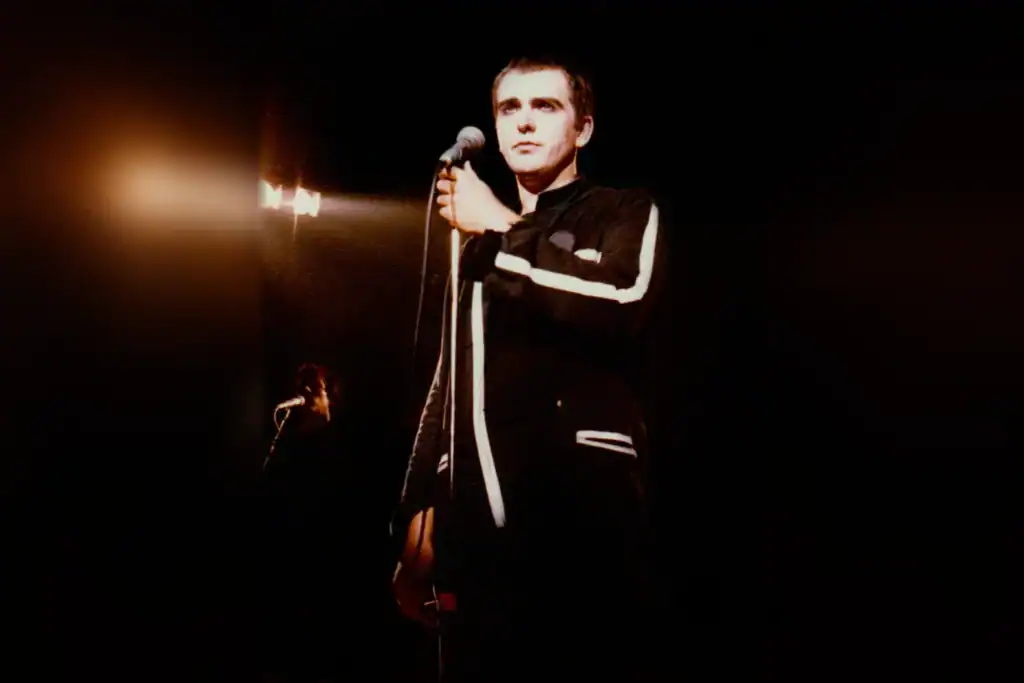

Performance anxiety certainly isn’t confined to rock music. Adele has experienced significant stage fright despite becoming one of the world’s most successful singers, with reports that she has used hypnotherapy in relation to performance anxiety. Barbra Streisand famously developed severe stage fright after forgetting lyrics during a concert and subsequently underwent psychotherapy before eventually returning to major live performances. Carly Simon also experienced extreme performance anxiety and developed unusual psychological and behavioural techniques to interrupt the anxiety response when performing. Together, their experiences demonstrate an important point: enormous talent, commercial success and decades of experience don’t necessarily prevent stage fright — psychological confidence and musical ability are not always the same thing.
Building confidence without chasing perfection
Useful performance confidence does not mean believing that every note will be flawless. It means trusting yourself to stay connected to the music, adapt to the room and continue communicating if something unexpected happens.
Perfectionism often moves attention away from meaning and towards constant self-assessment. Instead of telling the story, you begin checking your breath, tone, expression and the imagined reaction of every listener. Coaching can help you define success more constructively: preparation, presence, communication, recovery and the willingness to be heard.
Confidence can also be rebuilt after criticism, a difficult performance, illness, a voice change, time away from singing or an audition that did not go as hoped. One experience does not need to become the template for everything that follows.
Stage Fright in Musical Theatre
Stage fright can affect even highly experienced professional performers. Michael Ball, one of Britain’s best-known musical-theatre singers, experienced severe performance anxiety while appearing as Marius in the original West End production of Les Misérables. Despite having successfully performed the role for months, anxiety and panic began interfering with his ability to perform, eventually contributing to his departure from the production. Ball subsequently rebuilt his confidence and went on to establish an enormously successful career in musical theatre and live performance.
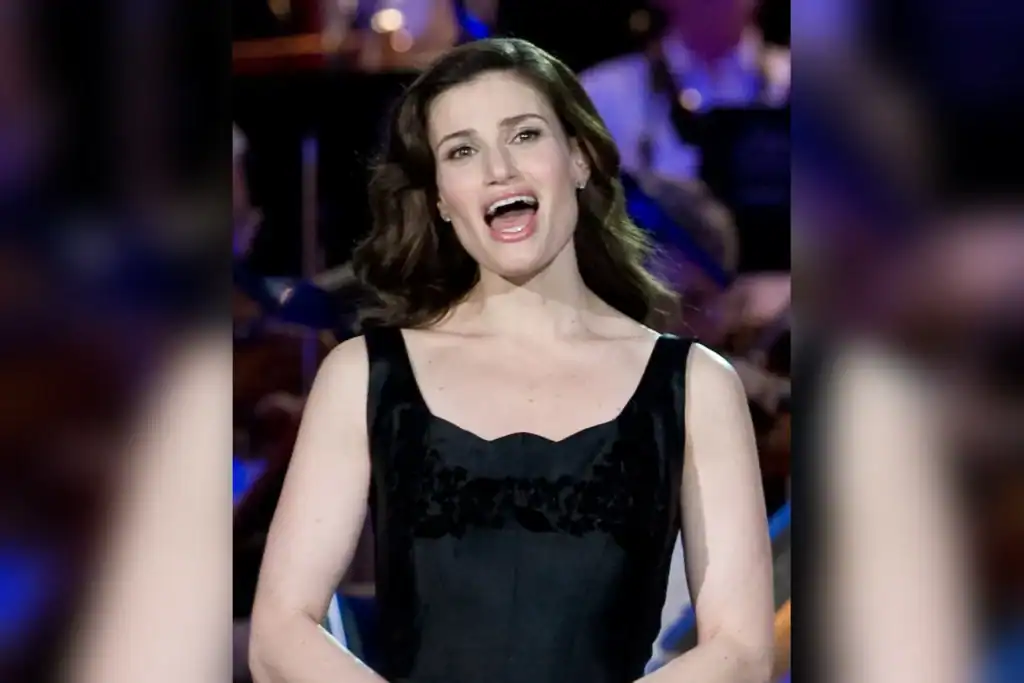
Even highly experienced performers can experience stage fright. Idina Menzel, the Tony Award-winning Broadway performer known for roles including Elphaba in Wicked and Maureen in Rent, has spoken openly about feeling frightened and nervous before certain high-pressure performances. Rather than trying simply to eliminate those feelings, Menzel has described using psychological strategies to redirect her attention, including concentrating on the meaning of the lyrics and connecting emotionally with the person or idea she is singing about. She has also spoken about using nervous energy as part of the emotional intensity of a performance. Her experience illustrates an important principle for singers: confidence does not necessarily mean the complete absence of nerves. Learning to redirect attention, change the meaning attached to anxiety and use heightened energy constructively can help a performer move from worrying about how they are performing towards becoming absorbed in the performance itself.

How hypnotherapy may help singers
Hypnosis is a natural state of focused attention and absorption. Singers already know something similar when they become immersed in melody, rhythm, character and meaning and temporarily stop thinking about themselves. Hypnotherapy may help strengthen this useful focus and change learned associations between performing and danger.
We can rehearse the complete performance sequence mentally: travelling to the venue, waiting, warming up, walking into the room, hearing the introduction and settling into the opening phrase. This is realistic rehearsal, not pretending that nothing could go wrong. You practise allowing normal sensations to be present without treating them as proof that your voice will fail.
If anxiety is connected to a particular memory, criticism or embarrassing moment, we can work with the meaning attached to it. The aim is not to erase the past. It is to reduce its power over the next audition or performance.
NLP, performance coaching and positive psychology
Performance coaching turns insight into a practical plan. We can examine preparation, self-talk, attention, recovery after mistakes and the minutes immediately before you sing. NLP can help you notice how internal words, images, posture and breathing affect your state. Positive psychology can help identify strengths, successful experiences and the conditions in which your best performances are more likely to emerge.
A useful pre-performance routine should be short and repeatable without becoming a superstition. It may include grounding through the feet, releasing unnecessary tension, allowing a controlled out-breath, choosing one musical intention and directing attention towards the story or listener. We can also build a quick reset so that one imperfect note does not take your attention away from the next phrase.
A published account from singer Tristan Stocks describes how audition anxiety had previously left him feeling able to perform at only around half of his ability. After two NLP sessions with musician and performance coach Christine Croshaw, he reported feeling closer to 90% and having practical ways to create greater ease before and during auditions. His experience is personal rather than a guarantee, but it illustrates how changing attention, associations and pre-performance thinking can help a trained voice become more available under pressure. Read Tristan Stocks’ account.
Singers who perform as part of a band or ensemble may also find performance coaching for musicians in London useful. For casting situations across the creative professions, see Help with Auditions in London. Musical-theatre performers can also visit the actors and theatre auditions page.
Auditions, concerts, theatre, recording and live performance
Different environments create different pressures. An audition may require you to begin quickly and accept that the panel gives little visible feedback. Opera and classical work may place attention on technical consistency and stamina. Musical theatre can require song, movement, character and dialogue within the same audition. Rock and pop performance may demand spontaneity and audience connection, while recording can lead to repeated takes and microscopic self-criticism.
We will make the work specific. Audition coaching may focus on waiting, beginnings and perceived judgement. Live-performance work may emphasise energy, connection and recovery. Recording preparation may address perfectionism, freshness and accepting that a strong performance is not always the most mechanically perfect take.
Another published case followed an experienced professional singer working across pop, R&B, funk, disco and Motown. After six sessions of structured performance coaching, her score on a recognised music-performance-anxiety measure fell from 152 to 83, and later to 59 at the three-month follow-up. Independent music educators also rated improvements in confidence, presence, control and musical expression. She still experienced normal nerves at times, but reported recovering more quickly and completing most gigs without the earlier worry. This is one individual case, not proof that everyone will respond in the same way, but it shows that progress can mean performing freely with nerves rather than needing every sensation to disappear. Read the professional singer case study.

Underlying photograph: Amanda Lear during a 1978 Disco Show. Photo: Bert Verhoeff / Anefo, Dutch National Archives. CC0/public domain via Wikimedia Commons. Image cropped/resized and converted to WebP.
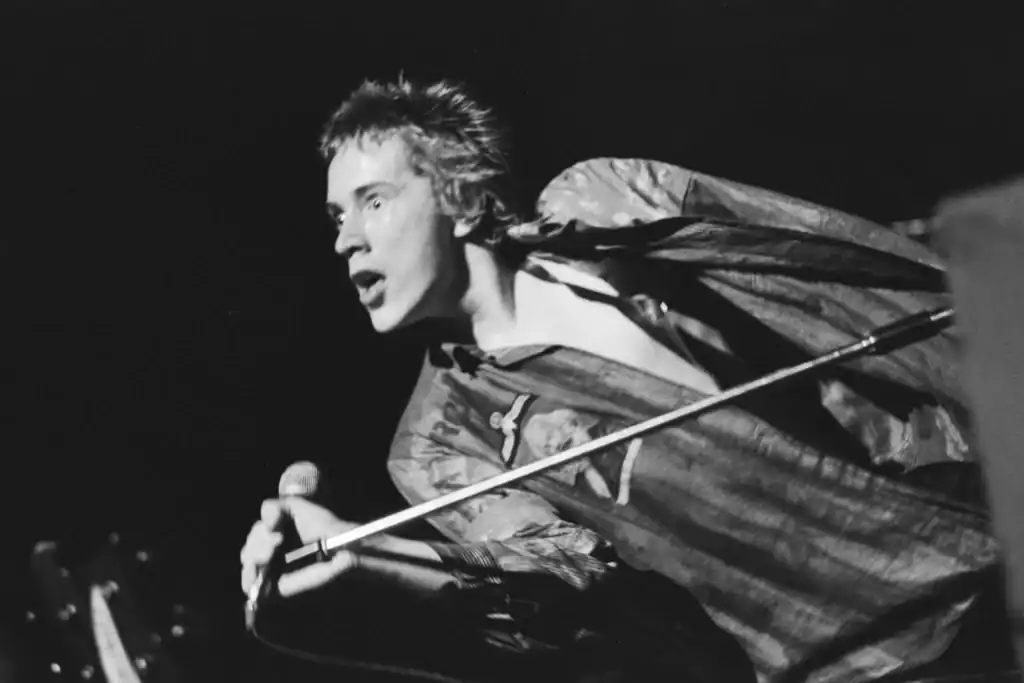
John Lydon, better known during his Sex Pistols years as Johnny Rotten and later frontman of Public Image Ltd, has described suffering from severe stage fright despite his famously confrontational stage presence. Lydon has said that his anxiety could become so intense before performances that he couldn’t eat. Rather than undergoing therapy, however, he developed his own psychological approach. He studied how accomplished actors such as Laurence Olivier and Alec Guinness handled stage nerves and learned to regard the nervous energy as something that could become useful once he stepped onto the stage. It’s an excellent example of naturally developing what we might now describe as reframing a psychological state.
Rock and Metal Singers Using Mindset and Hypnosis for Vocal Performance
Despite his extraordinary reputation as the frontman of Black Sabbath and later as a solo performer, Ozzy Osbourne has spoken openly about experiencing considerable anxiety before performing. Behind the apparently fearless stage persona was a recurring fear of failure and concern about whether he would be able to deliver. Ozzy has described seeking help from therapists and psychiatrists in an attempt to understand these fears. His experience is a particularly powerful example because it demonstrates that performance anxiety isn’t necessarily related to experience or ability. Even one of heavy metal’s most recognisable and successful performers could experience significant anxiety before walking onto a stage.


There are several other examples of rock and metal performers using psychological approaches alongside conventional vocal training. Pete Morten, rock singer and guitarist with My Soliloquy and formerly of progressive-metal band Threshold, worked with vocal and personal-growth coach Anne Leatherland. Morten described overcoming “bad mental habits” that had been negatively affecting his performance, illustrating how mindset can influence vocal performance.
Debora Lavagnolo, vocalist with Swiss symphonic-metal band Deep Sun, has also worked with neurological/performance-based voice coaching, reporting noticeable changes in how freely and easily she could use her voice.
American clinical hypnotist Jeffrey Rose specifically uses hypnotherapy for singing and performance anxiety. Rose states that he has worked with singers from musical and opera companies as well as lead singers from rock, pop and jazz bands, using hypnosis to address anxiety, confidence, subconscious beliefs and mental interference that can affect performance.
Worry, overthinking and sleep before singing
Performance anxiety often begins well before the first note. You may imagine losing your voice, forgetting lyrics or disappointing other people. You might sing the difficult passage repeatedly in an attempt to feel certain, only to arrive tired and less confident. Afterwards, you may analyse every detail and ignore what went well.
We can distinguish useful preparation from anxious repetition, create a clear practice cut-off and protect time for recovery. A poor night’s sleep does not automatically ruin a performance, but fear about not sleeping can make rest harder. If that has become a recurring difficulty, read about insomnia and poor sleep. Work on overthinking may also be helpful.
Looking after your voice
Confidence coaching does not replace appropriate vocal training or medical care. Persistent pain, unexplained hoarseness, loss of range or other continuing changes should be assessed by a suitably qualified medical professional, such as your GP, an ENT specialist or an appropriate voice professional. Once physical concerns have been investigated, coaching can focus on the anxiety, habits and performance patterns surrounding them.
Sessions in London, Reading, Didcot and online
London offers exceptional opportunities through the West End, opera houses, conservatoires, studios, clubs, theatres and live venues. It can also bring intense competition, travel pressure and short-notice auditions. Sessions can focus on one important event or a longer-standing pattern affecting your confidence.
Appointments are available in Central London, Reading and Didcot, as well as online through Microsoft Teams or Zoom. Online sessions can be especially convenient around rehearsals, touring, late performances and international schedules.
Why choose a personalised approach?
- Over 18 years of professional experience.
- Cognitive hypnotherapy, NLP, coaching and positive psychology combined where appropriate.
- Sessions tailored to your voice, genre, personality and performance setting.
- A practical, non-judgemental approach without generic scripts.
- Support for auditions, concerts, theatre, studio work and live performance.
🐈⬛ Riff the dancing cat: “Two thousand nine hundred words! TWO THOUSAND NINE HUNDRED WORDS! Take THAT, Rook!”
Frequently asked questions
Can you help with an audition or performance coming up soon?
Yes. Tell me the date, genre, setting and main difficulty. When time is limited, we can prioritise mental rehearsal, practical preparation and a simple routine for the day.
Will reducing nerves take away the emotion from my singing?
No. The aim is not to make you flat or detached. It is to keep energy within a useful range so that emotion supports communication rather than overwhelming breath, focus or control.
Can experienced professional singers develop stage fright?
Yes. It can develop after years of confident performance, particularly following illness, criticism, a difficult event, a long break, a voice change or increased professional expectations.
Do I need to sing during the session?
Not necessarily. The work focuses on your mental and emotional response, although having access to your music or practice space during an online session may sometimes be useful.
Can online coaching work for singers?
Yes. Online sessions allow you to work from a familiar environment and can fit around rehearsals, performances and travel. They are available throughout the UK and internationally.
Take your next step
If nerves, self-consciousness or fear are limiting your singing, get in touch. Tell me what you sing, what happens under pressure and whether there is a particular audition or performance ahead.
Call 07807 540142 or email me.